Diet for varicose veins: what to add to your plate for healthier veins
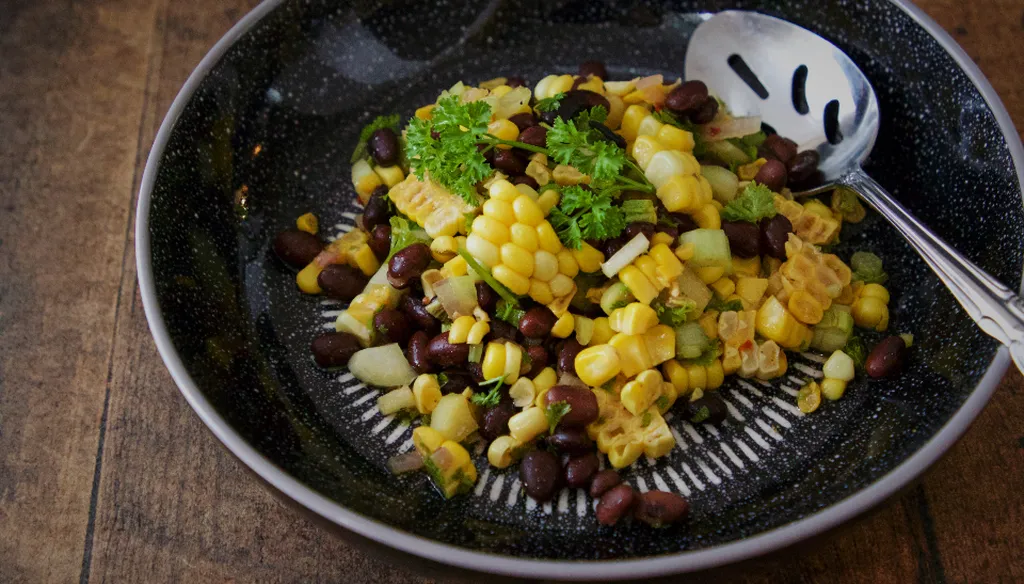
- There is no special varicose vein diet, but food helps your veins through weight, regular bowels and less swelling.
- Fill half your plate with vegetables and herbs, and eat mung beans, chickpeas or beans several times a week.
- Salt holds on to fluid, so go easy on pickles, qurt, salted sunflower seeds and sausage.
- Drink water through the day, not only tea, especially in the summer heat and on journeys.
- Food is not a treatment: sudden swelling and pain in one leg means calling 103 straight away.
An evening dastarkhan: warm non, plov, a plate of pickles and bowl after bowl of tea. Next morning you notice deep marks from your sock bands and legs that feel heavy and full. A coincidence? Not quite. What we eat and drink has a noticeable effect on how our veins feel.
Let's be clear from the start: there is no magic food that will dissolve varicose veins. But a sensible diet for varicose veins helps you keep a healthy weight, avoid constipation and reduce unnecessary swelling, and all of that takes some of the load off your legs. Let's look at what is worth adding to your plate and what is worth cutting back a little.
How does food affect your veins?
The veins in your legs work against gravity: blood travels up to the heart thanks to one-way valves and the squeezing of your calf muscles. Food cannot repair weakened valves, but it does shape the conditions they have to work in.
- Weight. Extra kilos raise the pressure inside the abdomen and in the leg veins. Excess body weight is a recognised risk factor for chronic venous disease.
- Bowel habits. When you are constipated you strain, and the pressure in your abdomen rises sharply. Many specialists see this as an extra load on the veins of the legs and pelvis, although opinions differ on how strong the link is.
- Fluid. Too much salt and too little water make the body hold on to fluid, which adds to evening swelling.
So a diet for varicose veins is not a strict regime. It is a calm, balanced table that suits the whole family.
What to add: vegetables, herbs and fruit
Uzbek cuisine is generous with vegetables, which is a real advantage. Aim for vegetables and herbs to take up about half of your plate.
- Carrots, pumpkin, beetroot, cabbage, tomatoes, cucumbers, aubergines and sweet peppers, raw in salads or slowly stewed as in dimlama.
- Fresh herbs: dill, coriander, parsley, basil and spring onions. They are easy to add to soups, to green shivit oshi noodles or to herb-filled somsa.
- Fruit: apples, pomegranates, quince, apricots, grapes and persimmons. Eat them whole rather than as juice: whole fruit has more fibre and less fast-acting sugar.
Vegetables and fruit are rich in fibre, potassium and plant compounds, including flavonoids. The benefits of this kind of diet for the heart and blood vessels in general are well known, but the direct effect of particular foods on varicose veins has been studied very little. So think of them as support for your body rather than as treatment.
Why do pulses and whole grains matter so much?
Mung beans, chickpeas, beans and lentils have long been stars of the Uzbek table. They provide plant protein and plenty of fibre, which keeps stools soft and regular.
- Mastava, mashkhurda, chickpea shurpa or mung bean and rice kichiri are filling dishes in which pulses and vegetables work together.
- Try swapping some of the white rice and white-flour non for buckwheat, porridge oats, brown rice, or wholegrain or bran bread.
- Dried fruit such as apricots, prunes and figs make a good snack and help your bowels, but they are high in calories, so a small handful is enough.
Regular, soft bowel movements without straining also help prevent haemorrhoids. We have explained why haemorrhoids develop in a separate article.
Salt and swelling: where does the extra salt hide?
Salt keeps water in the tissues. If your legs swell by evening, salty foods are the first thing to review. Often the problem is not the salt cellar on the table but hidden salt:
- pickles and marinades, especially home-made preserves for the winter;
- qurt (dried salty yoghurt balls), salted sunflower seeds and peanuts with tea;
- sausages, frankfurters, kazy and other smoked meats;
- shop-bought sauces, stock cubes, fast food and crisps;
- bread and non, if you eat a lot of them.
Cook with a little less salt and add flavour with herbs, garlic, cumin, pepper and lemon juice. Your taste for salt changes gradually, and in time your old favourites will start to taste too salty.
How much should you drink, and what?
Enough fluid helps your bowels work, while dehydration, especially in the heat and on long journeys, is not good for your blood vessels either. There is no single amount that suits everyone: let thirst and pale urine guide you, and drink more in summer, when travelling and during physical work.
- Plain water should be the basis. Keep a bottle on your desk or in the car.
- Unsweetened green and black tea count towards your fluids, but should not replace water completely.
- Sweet fizzy drinks and packaged juices add unnecessary calories.
- Alcohol dehydrates you and widens blood vessels, so it is best kept to a minimum.
If you have heart or kidney disease, discuss how much fluid and salt you need with your doctor, as the rules may be different for you.
Plov, non and celebrations: can you keep your favourite dishes?
There is no need to give up national dishes. Small changes are enough:
- Take a smaller portion of plov and put a big plate of achichuk tomato salad or fresh vegetables next to it.
- Use oil in moderation, and swap some of the fatty meat for chicken or fish.
- With tea, have fruit or a few dried fruits instead of halva, navat crystal sugar and biscuits.
- Avoid heavy late meals: a big dinner followed straight away by the sofa is not ideal for your weight or digestion.
- After a feast, take a 15–20 minute walk instead of sitting for hours.
It is better to lose weight slowly: strict diets and fasting are hard to keep up, and lost kilos often come back. The best partner for a healthy plate is movement, and you will find advice on activity in our article on exercise with varicose veins.
Do you need vitamins, supplements or a detox?
A balanced diet usually gives your body everything it needs. There is no reason to take vitamins or supplements for your veins without tests and a doctor's advice, and detox or vessel-cleansing programmes have no proven benefit. If heaviness in your legs, swelling or visible veins bother you, a visit to a phlebologist will help far more.
The main points about eating for healthy veins
A diet for varicose veins does not require heroic efforts. More vegetables, pulses and water, less salt and fewer empty calories, and gentle weight loss if you need it, all make life easier for your legs. Start small: add a plate of fresh salad to today's lunch and go for a short walk after dinner.
Sources: 1. De Maeseneer MG, Kakkos SK, Aherne T, et al. ESVS 2022 Clinical Practice Guidelines on the Management of Chronic Venous Disease of the Lower Limbs. Eur J Vasc Endovasc Surg. 2022;63(2):184–267. 2. Alonso-Coello P, Mills E, Heels-Ansdell D, et al. Fiber for the treatment of hemorrhoids complications: a systematic review and meta-analysis. Am J Gastroenterol. 2006;101(1):181–188.
Which foods are good for varicose veins?
Vegetables, herbs, fruit, pulses such as mung beans, chickpeas and beans, and whole grains. They help you control your weight and keep your bowels regular, which reduces the load on your veins.
Should I cut out salt completely if I have varicose veins?
You do not need to cut it out entirely, but eating less salt is especially helpful if you tend to get swollen legs. Most salt hides in pickles, qurt, sausages and ready-made foods.
Can varicose veins be cured with diet?
No. Diet does not cure varicose veins, but it can make symptoms easier and reduce the load on your veins. A phlebologist chooses treatment after an examination and a vein ultrasound.
Can I drink tea if I have varicose veins?
Yes, unsweetened tea can be part of your daily fluids. But drink plain water too, and don't let salty or sweet snacks with tea get out of hand.