Fibre for haemorrhoids: how much you need and where to find it
- Fibre holds water in the bowel, softens stools and reduces straining — the main enemy of haemorrhoidal veins.
- Adults are usually advised to eat around 25–30 g of fibre a day, yet most people eat noticeably less.
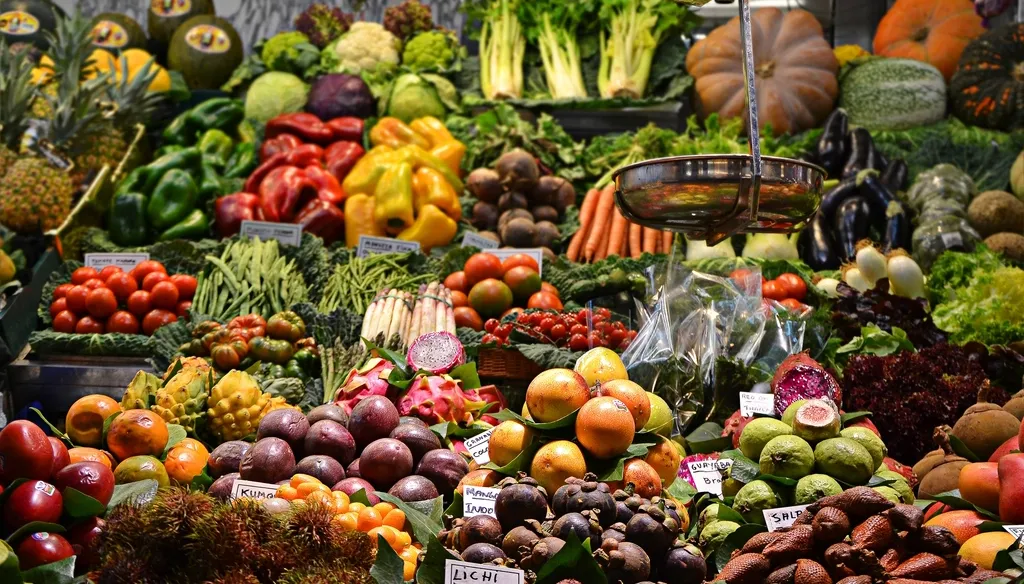
- Chickpeas, mung beans, beans, vegetables, fruit with the skin on and dried fruit are easy to find at any bazaar.
- Increase fibre gradually and drink enough water, otherwise you may get bloating or even constipation.
- Blood in your stools is always a reason to see a doctor, even if you are sure it is haemorrhoids.
Tea and white non for breakfast, a samsa on the go at lunch, plov in the evening. Sound familiar? It is tasty and filling, but a day like this contains almost nothing your bowel needs for soft, regular stools. And when every trip to the toilet becomes a struggle, haemorrhoids may sooner or later make themselves known.
The good news is that one of the most effective ways to prevent and ease them is sitting on the stalls of every bazaar. It is fibre. Let us look at how fibre for haemorrhoids works, how much you need and how to get enough from familiar food.
What is fibre and how does it help with haemorrhoids?
Fibre is the part of plant food that the body cannot digest. It travels through the bowel almost unchanged, holds on to water and gives stools bulk and softness.
This matters a great deal for haemorrhoidal veins. Hard stools and heavy straining raise the pressure in the blood vessels of the anal canal, stretch them and injure the lining. When stools are soft and pass easily, the load drops, and bleeding and flare-ups become less frequent. That is why European and American guidelines on haemorrhoids name enough fibre and fluid as the first step — both in early disease and as the foundation of any other treatment.
There are two kinds of fibre, and both are useful:
- Soluble fibre swells in water and forms a soft gel. Legumes, oats, apples, quince and carrots are rich in it.
- Insoluble fibre works like a brush and adds bulk. You will find it in bran, wholegrain bread, the skins of vegetables and fruit, and nuts.
We explained how the two problems are linked in our article on constipation and haemorrhoids.
How much fibre do you need a day?
Adults are most often advised to aim for around 25–30 grams of fibre a day. You do not have to count grams every day: it is easier to look at your plate. If every meal includes vegetables, fruit, legumes or whole grains, you are probably close to the target.
Most of us eat noticeably less. White bread, rice, pasta, pastries, meat and sweets contain almost no fibre, and they often make up the bulk of the day.
One more thing worth knowing: the effect builds up over time. Stools usually become softer within a few days, but a clear improvement in symptoms may take several weeks of regular eating. So think of fibre as a habit rather than a one-off fix.
Where to find fibre: foods from an Uzbek bazaar
If you live in Uzbekistan, there is good news: many sources of fibre are already part of the local cuisine. They simply need to appear on the table more often.
Legumes — the fibre champions
- Chickpeas (nokhat). Add them to plov, shurpa or salads, or make nokhat shurak — warm chickpeas with onion and herbs.
- Mung beans (mash). Mashkhurda soup, mash kichiri and mung beans in soup are filling, inexpensive and very good for the bowel.
- Beans and lentils — for soups, side dishes and salads.
Vegetables and herbs
- Carrots, pumpkin, beetroot, cabbage, aubergines, courgettes and sweet peppers.
- Dill, coriander, parsley, basil (raykhon) and spring onions — a generous handful of herbs with any dish.
- A fresh achichuk salad of tomato and onion alongside plov is a simple way to add vegetables to a heavy meal.
Fruit and dried fruit
- Apples, pears, quince, persimmons, figs and plums — preferably with the skin on if it is thin.
- Dried apricots, prunes, dried figs and raisins make a handy snack. Prunes help many people soften their stools gently. Dried fruit is high in calories, though, so a handful a day is enough.
Grains and bread
- Oats, buckwheat, pearl barley and brown rice.
- Wholegrain or bran bread instead of white — at least every other time.
Why does fibre not work without water?
Fibre soaks up water like a sponge. If you drink too little, especially in the heat of a Tashkent summer, stools can become firmer rather than softer, and fibre may even add to the discomfort.
- Drink water evenly through the day, not only tea at the dastarkhan.
- Soups, yoghurt drinks such as qatiq, fruit and vegetables also provide fluid.
- If a doctor has limited your fluids because of heart or kidney disease, do not increase them on your own — discuss your diet with them.
Read more about drinking habits in our article on water and vein health.
How can you add fibre without bloating?
A sudden switch to a perfect diet often ends in bloating, rumbling and disappointment. The bowel needs time to adapt.
- Add one new food every few days: for example, porridge at breakfast first and legumes at lunch later.
- Increase the amount gradually over 2–3 weeks.
- Soak legumes overnight and cook them well — they are easier to digest that way.
- Drink a little more water at the same time.
- Combine diet with movement: walking helps the bowel work.
Sometimes it is hard to reach the target with food alone. A doctor or pharmacist may then suggest a fibre supplement, for example one based on psyllium (ispaghula) husk. These are also started at a small dose and always taken with water.
Do not forget your toilet habits either: do not put off the urge, do not strain and do not linger on the toilet with your phone. Sitting on the toilet for a long time increases pressure on the haemorrhoidal veins by itself.
Who should be careful with fibre?
For most people, more fibre is a good thing. But in some situations it is better to discuss your diet with a doctor:
- inflammatory bowel disease, narrowing of the bowel or previous bowel surgery;
- irritable bowel syndrome with marked bloating — some foods may need to be swapped;
- kidney disease that requires limiting potassium and fluid (dried fruit and legumes are rich in potassium);
- diabetes — dried fruit and sweet fruit need to be counted in your diet.
When is fibre alone not enough?
Fibre is the foundation, but it does not replace treatment. If symptoms last longer than a week or two, keep coming back or interfere with your life, see a proctologist. The doctor will examine you, confirm the diagnosis and choose treatment. Similar complaints can be caused by other conditions, so it is best not to diagnose yourself.
If you want to understand how the condition develops, start with the essentials about haemorrhoids.
The short version
Fibre for haemorrhoids is a simple, inexpensive and safe way to make life easier for your bowel and veins. Mung beans, chickpeas, vegetables, fruit, dried fruit and a glass of water nearby — that is the whole secret. Start with one dish this week, and in a month notice how much easier your mornings have become.
Sources: 1. van Tol RR, Kleijnen J, Watson AJM, et al. European Society of ColoProctology: guideline for haemorrhoidal disease. Colorectal Dis. 2020;22(6):650–662. 2. Davis BR, Lee-Kong SA, Migaly J, Feingold DL, Steele SR. The American Society of Colon and Rectal Surgeons Clinical Practice Guidelines for the Management of Hemorrhoids. Dis Colon Rectum. 2018;61(3):284–292. 3. Alonso-Coello P, Mills E, Heels-Ansdell D, et al. Fiber for the treatment of hemorrhoids complications: a systematic review and meta-analysis. Am J Gastroenterol. 2006;101(1):181–188.
Which foods help most with haemorrhoids?
Foods rich in fibre: legumes (chickpeas, mung beans, beans, lentils), vegetables, fruit with the skin on, dried fruit, oats and wholegrain bread. It is just as important to drink enough water with them.
How much fibre should I eat a day if I have haemorrhoids?
Adults are usually advised to have around 25–30 grams a day. Increase the amount gradually over 2–3 weeks to avoid bloating.
Can fibre cure haemorrhoids?
Fibre does not remove haemorrhoids that have already formed, but it softens stools and reduces straining, bleeding and the risk of flare-ups. It is the basis of treatment, which your doctor can build on.
Why does fibre make me bloated?
Usually because the change was too fast or you are not drinking enough. Add foods gradually, cook legumes well and drink enough fluid; if bloating is severe or does not settle, talk to a doctor.