Exercise with haemorrhoids: which activities are safe and which to limit
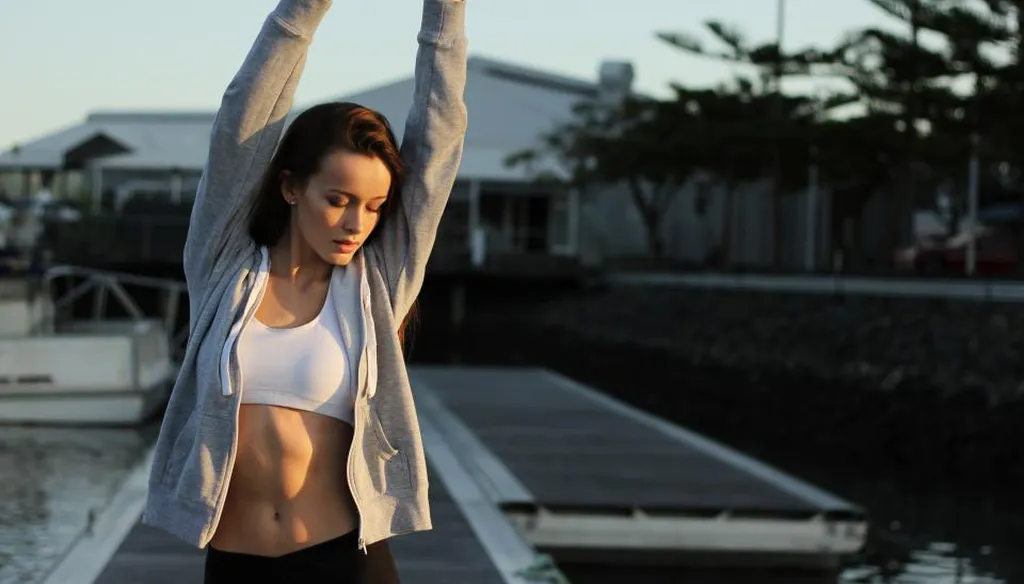
- Moderate physical activity is usually good for haemorrhoids: it helps the bowels and lowers the risk of constipation.
- Heavy lifting with straining and breath-holding raises the most questions and is best limited.
- During a flare-up, put intense training on hold and return to it gradually.
- High-protein diets with little water and fibre are a common cause of constipation in people who train a lot.
- Heavy bleeding, black stools or sudden pain with a hard lump mean seeking urgent medical help.
You go to the gym in Chilanzar three times a week, play football with friends on Saturdays or have practised wrestling for years. Then, after yet another workout, there is discomfort, blood on the paper and eventually a diagnosis of haemorrhoids. Your first thought: will you really have to give up sport?
Most likely not. Exercise with haemorrhoids is not only possible but helpful, as long as you choose the right kind of load and take the stage of the condition into account. Let's look at which activities usually suit, what is worth limiting, and how to keep the gym from becoming a source of flare-ups.
Can you exercise if you have haemorrhoids?
In most cases, yes. Regular movement speeds up the bowels and helps you avoid constipation and straining, which are among the main triggers of haemorrhoids. Inactivity, on the other hand, makes constipation more likely.
What matters is which sport you choose, how hard you train and what stage the condition is at. In remission, when nothing bothers you, much more is possible than during a flare-up. To be honest about the evidence: there are few dedicated studies on exercise and haemorrhoids, so the advice is based mainly on how different loads affect pressure inside the abdomen.
The pelvic floor muscles deserve a special mention. You can gently tighten and relax them anywhere, even while sitting at the wheel; many people find this helps them feel and control the area better, although there is little direct evidence of benefit for haemorrhoids specifically.
Which sports usually suit people with haemorrhoids?
- Walking and Nordic walking, a gentle load that stimulates the bowels well.
- Swimming and water aerobics, where the water takes the load off your pelvis and spine. We wrote about the benefits of the pool in our article on swimming with varicose veins, and much of that advice applies here too.
- Easy jogging at a comfortable pace, in remission and without discomfort.
- Yoga, Pilates and stretching, as long as you do not hold your breath or strain in difficult poses.
- Dancing, badminton, table tennis and recreational volleyball.
- Cycling outside flare-ups, with a soft, comfortable saddle; take breaks on long rides.
Which types of exercise are best limited?
The main enemy in haemorrhoids is straining. When you lift a heavy weight and hold your breath, pressure in the abdomen rises sharply, and so does pressure in the veins of the pelvis and anal canal. So take care with:
- weightlifting and powerlifting with near-maximal weights;
- heavy squats and deadlifts;
- maximal-load leg presses on a machine;
- wrestling moves that involve hard straining, and tug of war;
- long horse rides or cycling on a hard saddle during a flare-up.
This does not mean strength training is banned for good. But the weights, technique and frequency of sessions are best discussed with a proctologist and an experienced coach, especially if the haemorrhoids prolapse or bleed often.
What about wrestling and football?
Kurash, freestyle wrestling and football are hugely popular in Uzbekistan, and you do not always have to give them up. Football involves little straining and is usually well tolerated outside flare-ups. Wrestling has more moments of power with breath-holding, so it is important to learn to breathe properly during a bout, not to train through pain and to take a break during a flare-up.
How should you train at the gym if you are not ready to give up the barbell?
- Lower your working weights and increase the number of repetitions: a moderate load with good technique is safer than chasing records.
- Do not hold your breath: breathe out on the effort and in on the release.
- Favour machines and supported seated or lying exercises over heavy free weights above your head.
- Alternate strength days with cardio such as walking, swimming or an exercise bike.
- Drink water during and after your workout.
- After training, have a shower, change into dry underwear made of breathable fabric and do not sit around in damp sportswear.
If a particular exercise causes blood or discomfort every time, take it as a signal to drop it or change your technique.
What should you do about training during a flare-up?
With acute haemorrhoids, meaning pain, swollen haemorrhoids or bleeding, it is best to pause intense training for a while. Gentle walking, if it does not make the pain worse, is usually fine and even helps the bowels. Return to your usual load gradually once the symptoms settle, starting with light sessions.
We described what to do in the first days of a flare-up in Acute haemorrhoids: what to do in the first 48 hours. After minimally invasive procedures or surgery, only your doctor can say when you can return to sport.
Food and water for people who train a lot
Athletes often bring constipation on themselves. High-protein diets, protein shakes instead of proper meals, few vegetables and little fruit, heavy sweating and too little water all make stools firmer and lead to straining.
- Pair your protein with vegetables, fruit, pulses and wholegrain cereals.
- Replace the fluid you lose through sweat, especially in summer and after intense workouts.
- Increase fibre gradually to avoid bloating.
- Sugary sports drinks and energy drinks are no substitute for plain water, and large amounts of caffeine can add to fluid loss.
- Do not put off going to the toilet because of training, and do not strain.
Read how to get your bowels moving gently in Constipation and haemorrhoids: how to get regular safely. And if you sit a lot during your working day, our tips on protecting yourself from haemorrhoids at the office will come in handy.
When should you see a proctologist?
Book an appointment with a proctologist if blood on the paper keeps coming back, if haemorrhoids prolapse when you exert yourself, or if itching and discomfort bother you. The doctor will assess the stage of the condition and advise which loads suit you. Any bleeding from the back passage should be shown to a doctor so that other bowel conditions can be ruled out.
Sport can stay in your life
Haemorrhoids are no reason to give up an active life. Walking, swimming, yoga and sensible strength training without straining help your bowels and your overall well-being. Listen to your body, do not chase records during a flare-up and feel free to discuss your training with a doctor; that way, exercise with haemorrhoids will bring you nothing but benefit.
Sources: 1. van Tol RR, Kleijnen J, Watson AJM, et al. European Society of ColoProctology: guideline for haemorrhoidal disease. Colorectal Dis. 2020;22(6):650–662. 2. Davis BR, Lee-Kong SA, Migaly J, Feingold DL, Steele SR. The American Society of Colon and Rectal Surgeons Clinical Practice Guidelines for the Management of Hemorrhoids. Dis Colon Rectum. 2018;61(3):284–292.
Can I do ab exercises with haemorrhoids?
Moderate abdominal exercises without holding your breath are usually fine outside a flare-up. Avoid straining and jerky movements, and if your haemorrhoids prolapse, discuss your routine with a proctologist.
Can I run if I have haemorrhoids?
Easy running at a comfortable pace is usually not a problem in remission. If pain or blood appears during or after a run, take a break and see a doctor.
When can I return to training after a flare-up?
Once the pain and swelling have settled: start with walking and light exercise and build up gradually. After procedures or surgery, your doctor will set the timing.
Why do athletes get haemorrhoids?
Most often because of straining during heavy lifts and constipation linked to high-protein diets and too little water. Good breathing technique, fibre and enough fluid lower these risks.