Sport and varicose veins: cycling, dancing or Nordic walking?
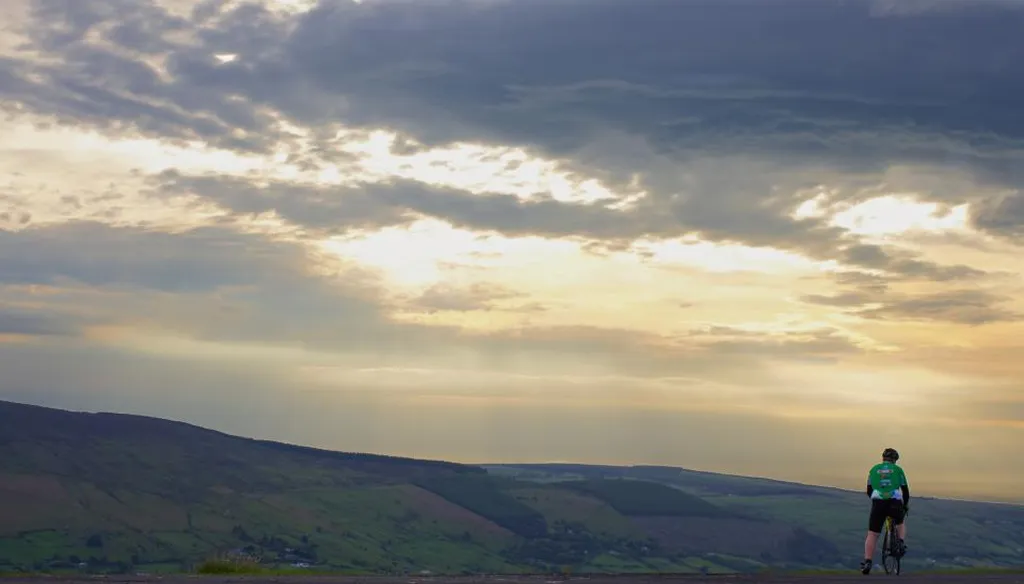
- Veins benefit from rhythmic activity that keeps your calf muscles working.
- Walking, Nordic walking, cycling, swimming and dancing suit most people.
- Discuss heavy lifting with held breath and lots of jumping with a phlebologist first.
- If your doctor has prescribed compression stockings, ask whether to wear them for exercise.
- Sudden swelling and pain in one leg after exercise means calling 103 straight away.
'Can I still go to the gym, or is it the sofa from now on?' Phlebologists hear this question all the time from people who have just been told they have varicose veins. Sometimes the fear of doing harm turns out to be stronger than the condition itself, and people stop moving altogether.
In fact, for most people with vein problems, movement is an ally rather than an enemy. What matters is choosing the right kind of activity and a sensible intensity. Here we look at which sports usually help with varicose veins, which ones to approach with care and how to tell whether a workout suits you.
Why does movement help your veins?
Blood from your legs has to travel back to the heart against gravity. Valves in the veins stop it flowing back down, but the real work is done by the calf muscle pump: every time your calf muscles contract, they squeeze the deep veins and push blood upwards. The more rhythmically and often those muscles work, the better the blood flows.
The European guidelines on chronic venous disease (ESVS 2022) regard exercises that train the calf muscles as a useful part of conservative treatment. Sport will not remove veins that are already enlarged, but it can reduce heaviness and swelling, help you manage your weight and lift your mood. For more background, see our article on exercise with varicose veins.
Which sports are good for your veins? A quick guide
A vein-friendly sport ticks three boxes: your legs work rhythmically, there is no prolonged straining with held breath, and there is little risk of knocks to the shins. Quite a few activities fit that description.
Nordic walking
Walking with poles is a gentle option at any age. The poles take some load off your knees and bring your arms and back into play, while your calves work in a steady rhythm, just as in ordinary walking but more actively. You can do it in the park, along a canal or at a local stadium. The benefits of everyday walking are covered in our article on walking as the best workout for your veins.
Cycling and exercise bikes
Pedalling is almost the perfect job for your calf muscles: they contract and relax all the time. An exercise bike comes in handy in winter and in the summer heat, and a relaxed weekend bike ride is a lovely way to spend time with the family. Make sure the saddle is set to your height and your knees don't come up too high.
Dancing
Dancing combines rhythm, calf work and a good mood. Studio classes and folk dances alike will do, from the lively Khorezm lazgi to the circle dance at a wedding. Choose comfortable shoes with a low heel and take breaks if you are dancing in the heat.
Swimming and aqua aerobics
Water presses gently on your legs from every side, and moving in it puts no strain on your joints. It is one of the gentlest sports for people with varicose veins; read more in our article on swimming with varicose veins.
Hiking
A weekend in Chimgan, Beldersay or the hills near Samarkand is a wonderful excuse for an unhurried hike. Climbing a trail works your calves well, and the fresh air and views give you a lift. If you haven't exercised for a while, start with short routes, take water and comfortable shoes, and on the drive there stop now and then to stretch your legs.
Yoga, Pilates and gentle exercise
Calm sessions with foot and calf exercises, stretching and breathing work are helpful too. Many people find positions with the legs raised soothing, while long periods of standing still or sitting on folded legs are best broken up with movement.
Which types of exercise need extra care?
There are hardly any sports that are off-limits for everyone. But some kinds of exercise are worth discussing with your doctor beforehand, especially if you have marked varicose veins, skin changes or a history of thrombosis.
- Lifting heavy weights while holding your breath. Straining raises the pressure in your abdomen and in the leg veins. If you enjoy strength training, choose moderate weights, more repetitions and steady breathing.
- Deep squats and leg presses with heavy loads. These are best done under a coach's supervision and after talking to a doctor.
- Lots of jumping on hard surfaces and long runs on tarmac. Some people cope with this well, while for others it makes the legs feel heavier, so be guided by how you feel.
- Contact sports with blows to the shins. A knock to a varicose vein can lead to bruising and inflammation.
- Standing still for long periods, for example during static exercises. Break it up with walking.
How can you train in a way that is comfortable for your veins?
- Start small, with 15–20 minutes of easy activity, then gradually increase the time and pace.
- Warm up your feet and calves first and cool down with some easy walking at the end.
- Drink water before, during and after exercise, especially in summer.
- In hot weather, train in the morning or evening rather than in the midday heat, because overheating widens the veins.
- Choose comfortable shoes and clothes without tight bands around the calves or thighs.
- After a session, lie down for 10–15 minutes with your legs slightly above heart level.
If your doctor has recommended compression stockings, ask whether you should wear them while exercising. Only a specialist should choose the compression class, and compression is not suitable for some arterial diseases, so start it after consulting a doctor.
Can you exercise after vein treatment?
After sclerotherapy or minimally invasive procedures, people are usually encouraged to start walking early, while intense exercise, strength training and the sauna come back later. The exact timing depends on the method and on you, and your doctor will set it. Don't go by friends' experience: everyone's recovery plan is different.
When should you stop a workout?
Ordinary muscle tiredness after exercise is normal. Some symptoms, however, need attention straight away.
Book a routine appointment with a phlebologist if heaviness and swelling don't improve despite regular activity, or if you want to start intensive training while you have marked varicose veins.
The main points
Having varicose veins doesn't mean giving up sport; it means choosing it well. Your veins' best friends are activities that keep the calves working rhythmically: Nordic walking, cycling, swimming and dancing. Start with whatever you enjoy, move regularly and listen to your legs, because enjoying exercise is part of what makes it work.
Sources: 1. De Maeseneer MG, Kakkos SK, Aherne T, et al. ESVS 2022 Clinical Practice Guidelines on the Management of Chronic Venous Disease of the Lower Limbs. Eur J Vasc Endovasc Surg. 2022;63(2):184–267. 2. National Institute for Health and Care Excellence (NICE). Varicose veins: diagnosis and management. Clinical guideline CG168, 2013.
Can I run if I have varicose veins?
Many people with early signs find gentle running in good shoes does no harm, but if you have marked varicose veins, swelling or a history of thrombosis, discuss it with a phlebologist. Gentler alternatives include brisk walking, Nordic walking and cycling.
What is the best sport for varicose veins?
One that keeps your legs working rhythmically without heavy straining: walking, Nordic walking, cycling, swimming or dancing. The best choice is the activity you enjoy and will stick with.
Can I go to the gym with varicose veins?
Usually yes, if you use moderate weights, don't hold your breath and combine strength work with cardio. Discuss heavy squats and leg presses with your doctor.
Do I need compression stockings for exercise?
Your doctor will decide, after assessing your veins and choosing the compression class. Compression is not suitable for some arterial diseases.
How often should I exercise to see a benefit?
Consistency matters more than records: moderate activity on most days of the week does more good than occasional exhausting sessions.