Exercise with varicose veins
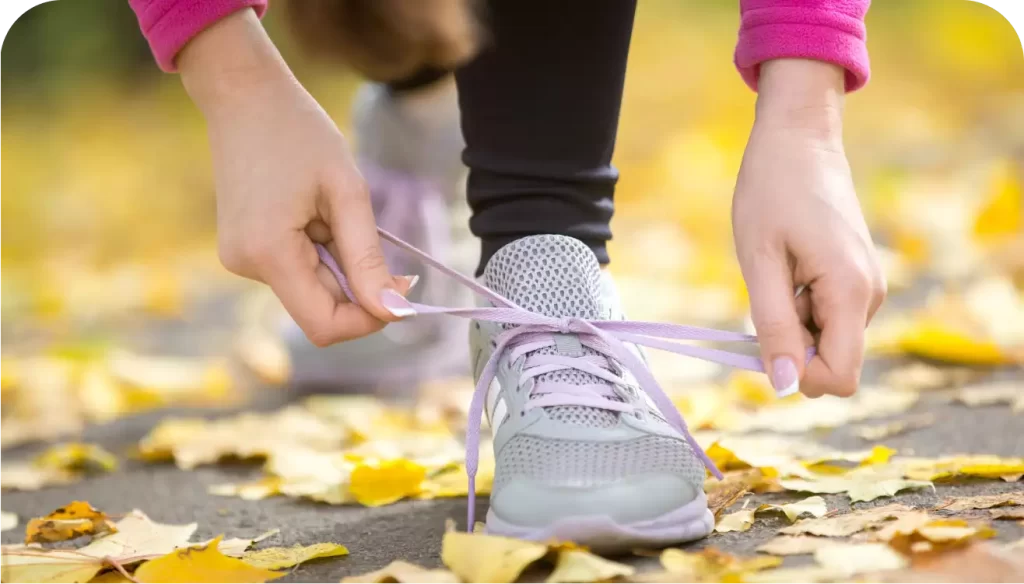
Sport is possible with varicose veins! Physical activity is good for the health of your blood vessels and has a positive effect on the human body.
We often ask ourselves: “How can I play sport if I have varicose veins?”
Let’s look at how venous disease develops. Normally, when we walk or run, the vessels in the muscles work like pumps: when the muscles are relaxed, blood pressure in the veins of the lower legs and feet falls, and when the muscles contract, blood is pushed through the veins towards the heart. Venous valves prevent blood from flowing backwards. If the valves are damaged and do not fully close the lumen of the vein, blood accumulates in the veins of the lower limbs. Gradually the veins widen and become tortuous. Varicose veins are often accompanied by unpleasant sensations: swelling, pain, a feeling of heaviness in the legs and leg fatigue.
Many people who have symptoms of varicose veins (a feeling of heaviness, tiredness or fullness in the legs, pain that gets worse towards the end of the day, swelling) believe that venous insufficiency and sport are incompatible. This is a misconception!
Phlebologists recommend**:
- Moderate participation in certain sports, which helps reduce the discomfort of varicose veins. For example: race walking, low-intensity running, aerobics and gymnastics, cycling or using an elliptical trainer, swimming, yoga or Pilates
- Avoid prolonged static loads and lifting heavy weights. Strength exercises for the legs are best done sitting or lying down. The muscle “pump” works when we train standing up, walk or run.
- Wear special compression knee-highs, stockings or tights – they help maintain venous tone. The main thing is to choose the right size and the required level of compression.
- After training, lie with your legs raised for five minutes, and do this exercise every day, after work or after spending a long time on your feet. This will improve venous outflow and therefore reduce the strain on your blood vessels and reduce swelling.
- See a phlebologist for advice in good time.
- Take venotonics. One of the most frequently prescribed venotonics is Phlebodia 600, which is manufactured in France*. Phlebodia 600 helps reduce the main symptoms of varicose veins: pain, swelling and heaviness in the legs.
An active lifestyle, moderate exercise and a healthy diet are a significant help to the body in fighting venous disease. Nevertheless, none of this can replace the treatment prescribed by your doctor! Taking a venotonic and regularly wearing compression hosiery are the foundation of varicose vein treatment!