Swimming with varicose veins: pool workouts and aqua aerobics
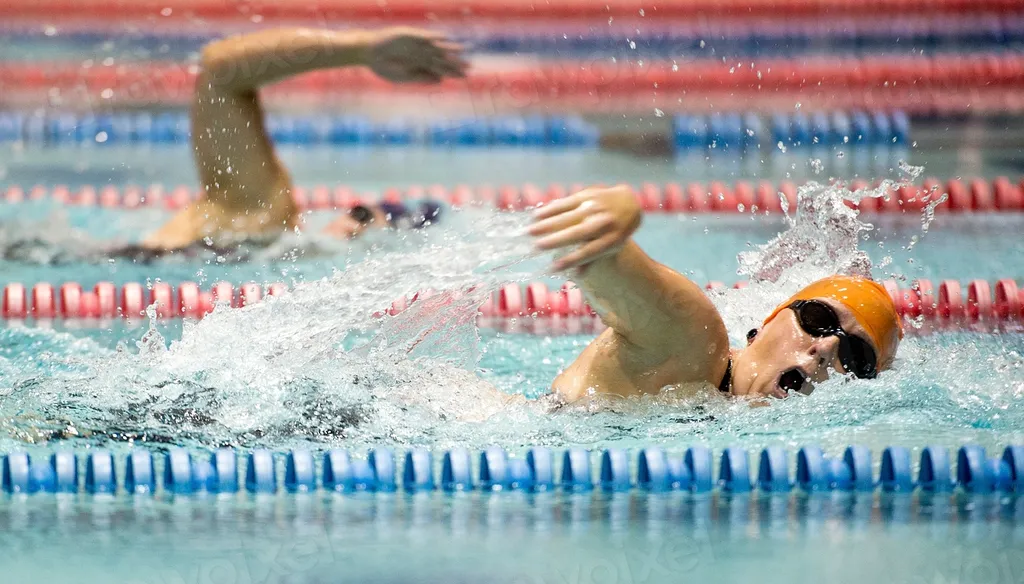
- Water gently squeezes your legs like natural compression and helps blood return to the heart.
- Front crawl and backstroke with active kicking are a great workout for the calf muscle pump.
- Aqua aerobics suits non-swimmers as well as people with extra weight or painful joints.
- Cool water is better than hot: a jacuzzi or long sauna after the pool widens the veins.
- After vein procedures, with open wounds or thrombosis, swim only with your doctor's permission.
Your doctor says your legs need more movement, but running is hard, your knees ache, and a stuffy gym only makes things worse by evening. Sound familiar? Then it may be time to look at water. An indoor pool in winter, Charvak or Aydarkul in summer: swimming has long been considered one of the most vein-friendly forms of activity.
Let's look at how swimming helps with varicose veins, which stroke to choose, how aqua aerobics works and when it is better to hold off on water workouts.
Why is water your veins' ally?
In the water, several helpful forces act on your veins at once. Phlebologists know each of them individually, and in the pool they work together:
- Water pressure. Water squeezes your legs evenly, and more strongly the deeper you go. It is like gentle, natural compression that helps blood flow upwards and reduces swelling.
- A horizontal position. When you swim, your legs are roughly level with your heart, so your veins do not have to fight gravity.
- Muscle work. Every kick contracts your calf muscles, the main 'pump' that pushes blood through the veins.
- Coolness. Unlike heat, moderately cool water does not widen the veins.
- Lightness. Water supports your body and takes the load off your joints, so swimming suits people who find walking or running hard because of extra weight or knee problems.
To be fair, there are few studies looking specifically at swimming for varicose veins. But all these mechanisms are well understood, and international guidelines describe physical activity and the calf muscle pump as an important part of caring for your veins.
Which swimming stroke should you choose?
Strokes in which your legs move a lot and rhythmically work best for your veins:
- Front crawl and backstroke. The frequent alternating kicks actively engage the calf muscles. Backstroke also suits people with neck or lower back pain.
- Breaststroke. It is also useful, but the leg kick puts strain on the knees. If they hurt, alternate breaststroke with crawl.
- Fins. They increase the work of the calves, but if you are not used to them they can trigger cramps. Start with short distances.
- Walking in water. If you cannot swim, simply walk along the bottom at about chest depth: that is already a good workout.
Keep the pace comfortable: you should be able to breathe easily and even exchange a few words. Your veins do not need records; regularity matters more.
Aqua aerobics: a gentle workout for everyone
Group classes in the water are held at many pools in Tashkent and other cities. They are ideal for older people, those carrying extra weight, anyone returning to exercise after a long break, and during pregnancy, though in that case only with your doctor's approval. Try this simple routine by the side of the pool at waist or chest depth:
- Walk in the water for 5 minutes, first at a normal pace, then lifting your knees high.
- Heel raises: 15–20 times, rising and lowering slowly.
- 'Cycling': with your back against the side of the pool, pedal your legs for 30–60 seconds.
- Straight-leg swings forwards and backwards and out to the side, 10 times with each leg.
- Crawl kicks: holding the side of the pool with your hands and lying on the water, kick your legs for 30–60 seconds.
- Finish with a minute of easy walking and a few deep breaths.
What water suits your veins?
The most comfortable water for your veins is moderately cool: not so cold that you shiver, but not warm enough to heat you up. Hot pools, jacuzzis and long sessions in the sauna or hammam after a workout widen the veins and can cancel out the benefits of swimming. If you really want a steam room, go in briefly and do not keep your legs on the hottest bench.
In summer many people go swimming in reservoirs and lakes. Choose beaches with proper facilities and never swim in canals or irrigation channels: the current there is strong and unpredictable. On the shore, do not lie in the sun for hours, as overheated legs are as unhelpful for your veins as a hot bath. Rest in the shade and drink water.
What should you remember before and after the pool?
A few simple rules will make your sessions safe and enjoyable:
- Compression stockings are not worn in the water. If your doctor has recommended them, dry your legs after the pool and put them back on. Only a doctor should choose the compression class, and compression is not suitable for some arterial diseases.
- Look after your skin. Chlorinated water dries the skin, which is already more vulnerable with vein disease. After showering, apply a moisturising cream to your lower legs.
- Wear rubber flip-flops and dry carefully between your toes. This protects against fungal infection, which can open the door to other infections.
- Drink water. You sweat in the pool, even if you do not notice it.
- If cramps bother you, do not swim alone and stay close to the side. We explain what to do when a leg cramps in our article on leg cramps at night.
When should the pool wait?
Water workouts suit most people, but in some situations you need your doctor's go-ahead first:
- after sclerotherapy, laser or radiofrequency treatment, or vein surgery: doctors usually ask you to avoid pools and hot baths for a while, so check the exact timing with yours;
- with open wounds, a leg ulcer or weeping eczema on the legs, until they have healed;
- after a recent thrombosis or vein inflammation;
- with heart disease, epilepsy or other conditions that make swimming alone unsafe.
How can you fit swimming into your week?
A good goal is two or three sessions a week of 30–45 minutes at a comfortable pace. On the other days, let an ordinary walk keep you going: we have explained in detail why walking is the best workout for your veins. In the evening at home you can add a few gentle poses from our article on yoga and stretching for your veins.
If you would like more variety, have a look at our article on exercise with varicose veins, which covers other sports that usually suit and those best discussed with a phlebologist. Swimming combines well with almost all of them.
The main points
Water gently hugs your legs, takes the load off your joints and keeps the calf muscle pump working, which is why doctors so often recommend swimming for varicose veins. Pick a convenient time, pack your flip-flops and a towel, and start with a short swim or an aqua aerobics class. After just a few sessions you will probably notice your legs feel lighter in the evening.
Sources: 1. De Maeseneer MG, Kakkos SK, Aherne T, et al. ESVS 2022 Clinical Practice Guidelines on the Management of Chronic Venous Disease of the Lower Limbs. Eur J Vasc Endovasc Surg. 2022;63(2):184–267.
Can I go swimming if I have varicose veins?
Yes, in most cases swimming and aqua aerobics are good for your veins. It is worth waiting after vein procedures, with open wounds, or after a recent thrombosis or vein inflammation; in these cases, ask your doctor first.
Which swimming stroke is best for your veins?
Front crawl and backstroke: your legs kick often and rhythmically, actively engaging the calf muscles. Breaststroke is fine too, but if your knees hurt, alternate it with other strokes.
Can I go to the sauna or hammam after the pool?
Long, intense heat widens the veins, so it is better to keep it brief or skip the steam room altogether. If you have marked varicose veins or have had blood clots, discuss it with a phlebologist.
When can I swim after sclerotherapy or vein surgery?
The timing depends on the type of procedure and how your skin heals, so your doctor will decide. You are usually asked to avoid pools, hot baths and saunas for a while.
Should I swim in compression stockings?
No, they are not usually worn in the water. If your doctor has recommended compression, dry your legs after the pool and put the stockings back on.