Walking with varicose veins: the best workout for your veins
- With every step your calf muscles squeeze the deep veins and push blood upwards: this is the calf muscle pump.
- Almost anyone can walk and no gym membership is needed; regular walking matters more than records.
- Start with 10–15 minutes and gradually build up to about half an hour on most days of the week.
- Comfortable shoes, a heel-to-toe step and compression stockings recommended by a doctor add to the benefit.
- Calf pain that comes on with walking and eases with rest, or sudden swelling of one leg, needs a doctor.
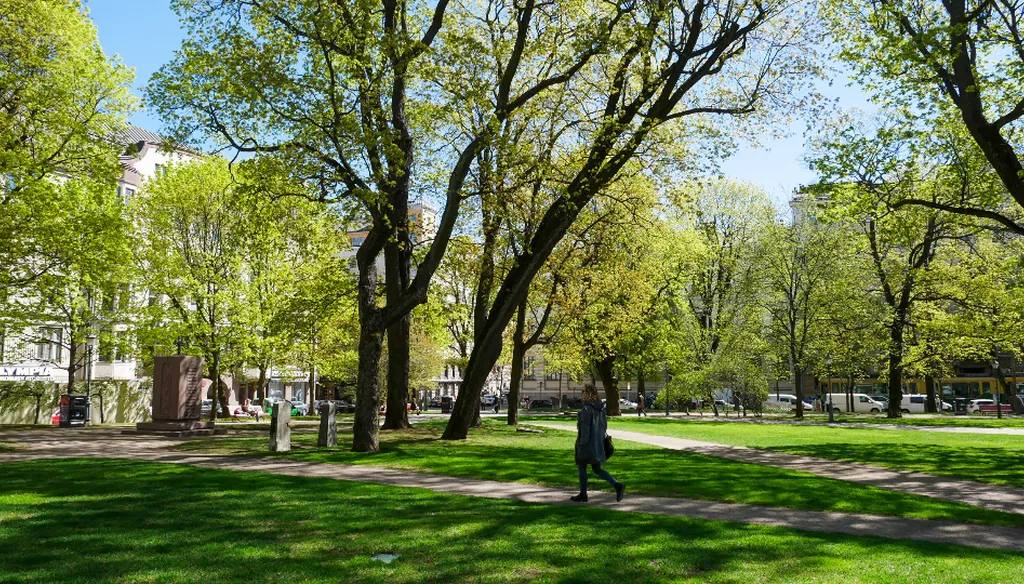
Think of how your legs feel after a long day behind a shop counter or in an office chair, and how much lighter they feel after an unhurried evening stroll along a tree-lined path. It is not your imagination: walking really does help your veins work.
Walking with varicose veins is one of the simplest and most accessible habits for healthy legs. You don't need a gym membership or special kit, and you can start today. Let's look at how the built-in pump in your legs works and how to walk so that every outing does you as much good as possible.
How does the calf muscle pump work?
Your heart pumps blood out through the arteries, but the return journey up from your feet is not easy, because blood has to rise against gravity. This is where the valves in your veins, which let blood flow only upwards, and your calf muscles come in.
With each step your calf muscles contract and squeeze the deep veins, rather like a hand squeezing a tube of toothpaste. Blood is pushed towards the heart, and the valves stop it from flowing back down. When the muscle relaxes, the veins fill again and the cycle repeats. Doctors call this the calf muscle pump, and sometimes the peripheral heart.
Your foot plays its part too: when you put your weight on it, the network of veins in the sole is compressed. That is why a flexible ankle and a full heel-to-toe roll matter so much.
Why is walking so good for your veins?
When we stand or sit still for a long time, the pump barely works, blood pools in the legs, and by evening heaviness and swelling appear. Walking runs the pump rhythmically and gently, without the sharp rises in abdominal pressure that come with heavy lifting.
- Blood drains from the legs more easily and the feeling of heaviness eases.
- Your calf muscles, the main engine of venous return, get stronger.
- It is easier to keep a healthy weight, which reduces the load on your veins.
- Your bowels work more regularly, which also helps prevent haemorrhoids.
- Your mood and sleep improve, which makes it easier to stick to other healthy habits too.
International guidelines on chronic venous disease see regular physical activity and calf muscle exercises as part of conservative care. Walking with varicose veins will not remove veins that are already widened, but it helps your legs feel better and fits well alongside other treatments.
How much and how should you walk to see a benefit?
The golden rule is consistency, not records. A target used in many general health recommendations is about half an hour of moderate walking on most days of the week. If you haven't been active for a while, start with 10–15 minutes and add a little at a time.
- Pace: brisk but comfortable, so you breathe a little faster but can still talk.
- Step: natural, with a smooth roll from heel to toe; don't shuffle or take tiny steps.
- Posture: back straight, shoulders relaxed, arms swinging freely in time with your steps.
- Time: you can split it up, as three 10-minute walks work too.
- Afterwards: rest for a few minutes lying down with your legs on a pillow.
The popular figure of 10,000 steps a day is a handy guide rather than a medical standard. For your veins it matters more that you move every day and spread it evenly, rather than doing one marathon walk once a week.
A good companion to walking is calf raises: 15–20 at a time, several times a day, for example while the kettle boils. It is the same work for your calf muscles, without leaving the house.
Where and when should you walk in heat and cold?
In a Tashkent summer the best times to walk are early morning and evening, once the heat has eased: overheating widens the veins and makes swelling worse. Choose shady park avenues and canal-side paths, and always take water with you.
In autumn and winter, walk in daylight, around indoor shopping centres or up and down the stairs at home. We have written about supporting your legs in the cooler months in our article on vein health in autumn. And a good family tradition is a short walk after dinner or a festive meal instead of sitting for hours at the dastarkhan.
On long car journeys between regions, stop every hour or two and get out to walk for at least a few minutes. On trains and planes, get up and walk along the aisle when it is allowed. If you fly often, take a look at our article on how frequent flights affect your legs.
What to wear: shoes, clothes and compression
- Shoes: the right size, with a flexible sole, good cushioning and a low, stable heel. Narrow shoes and stilettos limit ankle movement and weaken the pump.
- Clothes: loose, with no tight elastic around the calves or waist.
- Compression stockings: if your doctor has recommended them, walk in them, as compression and muscle work together are particularly good for blood flow. Only a doctor should choose the compression class, and compression is not suitable for some arterial diseases.
If you would like some variety, try Nordic walking with poles: it works more muscles and suits people of all ages. You can read about other kinds of activity in our article on exercise with varicose veins.
Who should check with a doctor first?
Walking suits almost everyone, but in some cases it is best to agree your level of activity with a specialist:
- if you get calf pain when walking that goes away after a short rest, as this may be a sign of reduced arterial blood flow;
- if you have an open ulcer on your lower leg or have recently had surgery, sclerotherapy or another vein procedure, as your doctor will advise how and when to increase activity;
- if you have heart or lung disease, or significant joint problems;
- during pregnancy, when you should discuss your activity with the doctor looking after you.
The main points
Walking with varicose veins is a free and enjoyable way to help your veins every day. Each step switches on your calf muscle pump and sends blood back to your heart. Find your time and your route, put on comfortable shoes, and let your walk become as natural a part of the day as your morning tea. Ten minutes today beats a perfect plan for tomorrow.
Sources: 1. De Maeseneer MG, Kakkos SK, Aherne T, et al. ESVS 2022 Clinical Practice Guidelines on the Management of Chronic Venous Disease of the Lower Limbs. Eur J Vasc Endovasc Surg. 2022;63(2):184–267.
Is walking good for varicose veins?
Yes, it is one of the most helpful activities for your veins, because contracting calf muscles help blood rise towards the heart. Walking does not remove widened veins, but it reduces pooling of blood and heaviness in the legs.
How much should I walk each day if I have vein problems?
A good target is about 30 minutes of moderate walking on most days of the week, which you can split into shorter walks. Start with less and build up gradually.
Can I walk in compression stockings?
Yes. If your doctor has recommended stockings, walking in them is even more beneficial. A specialist chooses the compression class, and compression is not suitable for some arterial diseases.
What should I do if my calves hurt when I walk?
If the pain comes on when walking and goes away at rest, see a doctor, as this can be a sign of reduced arterial blood flow. Sudden pain with swelling of one leg is a reason to call an ambulance (103) straight away.