Phlebodia 600 for acute haemorrhoids: how to take it by the leaflet
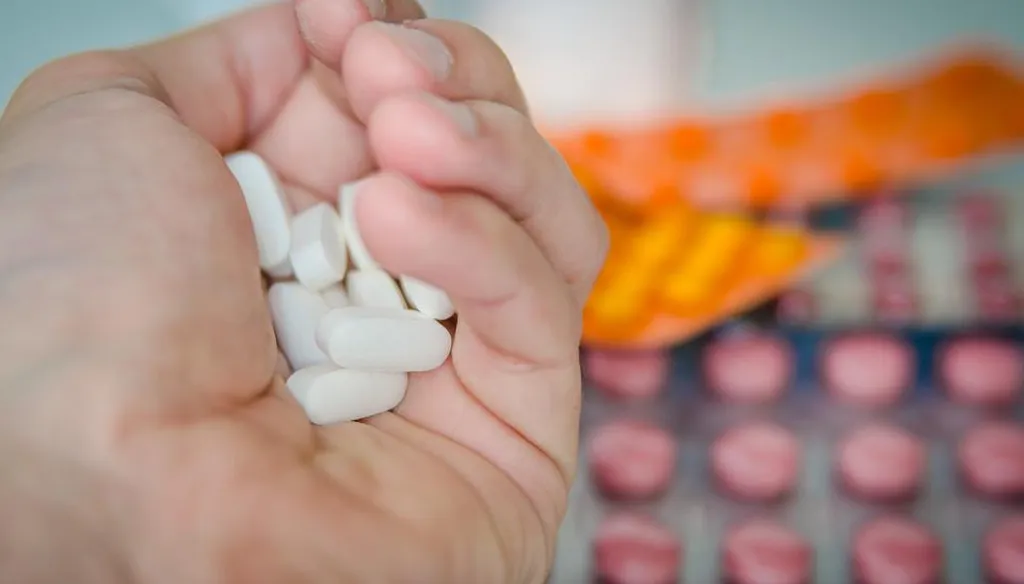
- According to its leaflet, Phlebodia 600 is used for the symptomatic treatment of acute haemorrhoids.
- The dose for acute haemorrhoids is 2–3 tablets a day with meals.
- If symptoms persist after several days of treatment, you need to see a doctor.
- It must not be taken under 18, while breastfeeding or in the first trimester of pregnancy.
- Tablets add to, but do not replace, fibre, soft stools and an examination by a proctologist.
A haemorrhoid flare-up never comes at a convenient time. A long car journey, a few days of constipation, heavy work or a feast that went on too long — and suddenly there is burning, a feeling of fullness, pain when sitting and sometimes a little blood. At moments like this you want something that will help quickly and safely.
Many people know Phlebodia 600 as a medicine for leg veins, but its official leaflet lists a second indication: acute haemorrhoids. Let us look at how to take Phlebodia for haemorrhoids according to the leaflet, what you need to know about contraindications and why tablets are only part of the plan.
What is Phlebodia 600?
Phlebodia 600 is a venotonic medicine from the angioprotector group, made in France. Each tablet contains 600 mg of diosmin. The tablets are pink, round, biconvex and film-coated. The manufacturer is Laboratoires INNOTHERA, and the medicine is marketed by Laboratoire Innotech International. Phlebodia 600 is available without a prescription and comes in blisters of 15 or 18 tablets — worth noting when you work out how many you need for a course.
According to the leaflet, diosmin increases venous tone and reduces how much the veins stretch, lessens venous congestion, and improves lymphatic drainage and microcirculation by making capillaries more resistant and less permeable.
Why use a venotonic for haemorrhoids?
Haemorrhoids are vascular cushions in the anal canal, and veins are part of them. During a flare-up, blood pools in them, the tissues swell, and pain, burning and a feeling of fullness appear. Flare-ups are most often triggered by constipation or, on the contrary, frequent loose stools, long periods of sitting, heavy lifting, pregnancy and childbirth.
That is why the Phlebodia 600 leaflet includes the indication “symptomatic treatment of acute haemorrhoids”. The word “symptomatic” matters here: the medicine aims to ease the manifestations of a flare-up and does not replace an examination or the treatment a doctor prescribes. European and American haemorrhoid guidelines regard flavonoid venotonics as a supporting option for relieving symptoms, while diet, bowel habits and medical follow-up remain the foundation.
How should you take Phlebodia for acute haemorrhoids?
The dosing for acute haemorrhoids differs from that used for venous insufficiency in the legs. According to the leaflet:
- the dose is 2–3 tablets a day;
- the tablets are taken with meals;
- if you miss one or more doses, simply carry on as usual at your usual dose without doubling it;
- if the symptoms of acute haemorrhoids persist after several days of treatment, you must see a doctor.
Whether you need two tablets or three, and for how long, is best agreed with a doctor or pharmacist based on your situation. For comparison, for symptoms of venous insufficiency in the legs the leaflet gives 1 tablet a day, and a course usually lasts 2 months.
Who should not take Phlebodia 600?
Always check the contraindications before you start. According to the leaflet, the medicine must not be taken:
- if you are hypersensitive to diosmin or any other ingredient of the tablet;
- by children and teenagers under 18;
- while breastfeeding;
- in the first trimester of pregnancy, as experience of use is limited.
In the second and third trimesters it may be used only on a doctor's recommendation. This matters because haemorrhoids often flare up during pregnancy and after childbirth. An expectant mother should not choose treatment on her own but first discuss her symptoms with an obstetrician or proctologist.
The full list of contraindications and precautions is in the official instructions. Before use, read the instructions and consult a specialist.
What side effects are possible?
Like any medicine, Phlebodia 600 can cause unwanted effects. The leaflet lists the following:
- common (up to 1 in 10 people): stomach pain;
- uncommon (up to 1 in 100): allergic reactions (rash, itching, hives, angioedema), bloating, diarrhoea, indigestion and nausea;
- rare (up to 1 in 1,000): vomiting.
Tell your doctor or pharmacist about any side effects. If your face, lips or tongue swell or you find it hard to breathe, stop taking the tablets and get medical help immediately. We covered this topic in more detail in Phlebodia 600: are there side effects?
No effect on the ability to drive has been reported. Store the tablets below 30 °C and out of children's reach — in the summer heat, do not leave the pack in a car in the sun.
What else helps during a flare-up?
Tablets work best when the reasons for the flare-up are dealt with at the same time. Here is what to do alongside them:
- Make your stools softer: more vegetables, fruit, legumes and water. Our article on fibre for haemorrhoids explains how to get enough from everyday food.
- Do not strain or sit on the toilet for long, including with your phone.
- Be gentle with hygiene: rinse with cool water after the toilet instead of using rough paper.
- If you work sitting down, get up and walk more often, and avoid heavy lifting during a flare-up.
- Many people find warm sitz baths soothing, although scientific evidence for them is limited.
We put together a step-by-step plan for the first days in acute haemorrhoids: what to do in the first 48 hours.
When should you see a doctor?
If the symptoms of acute haemorrhoids do not settle after several days of taking Phlebodia 600, do not raise the dose yourself — see a proctologist. The doctor will examine you, confirm the diagnosis and, if needed, suggest other options, from local treatments to minimally invasive procedures. Bring the pack with you or note down how many days and at what dose you took it: this will help the doctor.
Remember that rectal bleeding, pain and itching are not only caused by haemorrhoids. An anal fissure, inflammatory bowel disease and other conditions that need different treatment can produce similar symptoms.
The bottom line
A haemorrhoid flare-up is unpleasant, but it is usually a temporary episode that can be managed. According to the leaflet, Phlebodia for haemorrhoids is taken as 2–3 tablets a day with meals, and if things have not improved after several days, it is time to see a doctor. Give yourself some rest, look after your bowel habits — and may next week be a much calmer one.
Sources: 1. van Tol RR, Kleijnen J, Watson AJM, et al. European Society of ColoProctology: guideline for haemorrhoidal disease. Colorectal Dis. 2020;22(6):650–662. 2. Davis BR, Lee-Kong SA, Migaly J, Feingold DL, Steele SR. The American Society of Colon and Rectal Surgeons Clinical Practice Guidelines for the Management of Hemorrhoids. Dis Colon Rectum. 2018;61(3):284–292. 3. Instructions for medical use of Phlebodia 600 (Republic of Uzbekistan).
How many Phlebodia 600 tablets should I take for acute haemorrhoids?
According to the leaflet, 2–3 tablets a day with meals. The exact dose and duration are best agreed with a doctor; if symptoms persist after several days of treatment, you need to see a doctor.
Do I need a prescription to buy Phlebodia 600?
No, it is available without a prescription. But before using it you should read the leaflet, check the contraindications and consult a specialist.
Can I take Phlebodia 600 for haemorrhoids during pregnancy?
It is contraindicated in the first trimester, and in the second and third trimesters it may be used only on a doctor's recommendation. It is not recommended while breastfeeding.
What if I miss a dose?
Simply carry on as usual at your usual dose. There is no need to take a double dose to make up for the missed one.