Pregnancy and chronic venous disease of the lower limbs are closely linked
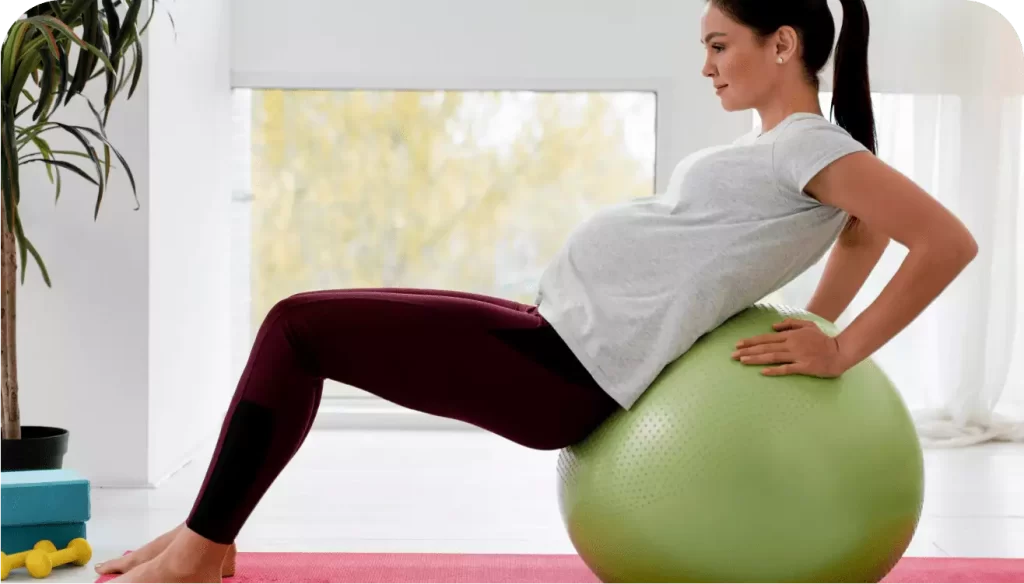
Age, female sex, obesity and heredity are traditionally recognised as risk factors for chronic venous disease (CVD). Specific female risk factors include taking hormonal medicines (oestrogens, progestogens), the menopause and pregnancy [1]. Why?
The reason is that during this period a woman’s body undergoes physiological changes that have a negative effect on the veins:
- The volume of circulating blood increases.
- Under the influence of hormonal changes, the tone of the venous wall decreases and the lumen of the veins widens.
- The outflow of blood from the veins of the lower limbs and the pelvis slows down, because they are compressed by the growing uterus and intra-abdominal pressure increases.
The following recommendations will help prevent venous disorders and reduce the risk of developing chronic venous disease:
- From early pregnancy it is advisable to wear preventive compression hosiery every day, as pregnancy is always accompanied by reduced venous wall tone and a tendency for the outflow of blood from the veins of the lower limbs to slow down.
- If you have to stand for a long time, shift your weight from one foot to the other and rise up on your toes from time to time
- If you have to sit for a long time, take short breaks of 3-5 minutes and walk around the room during them.
- Wear comfortable clothing that does not restrict movement, does not put excessive pressure on your abdomen and does not constrict your legs like a tourniquet.
- Watch your weight and avoid excessive weight gain. Limit your intake of table salt and easily digestible carbohydrates.
- For everyday wear during pregnancy, shoes with a low, stable heel of up to 3-4 cm are best.
- During pregnancy, the way the digestive tract works changes. Take steps to prevent constipation: drink enough fluids (6-10 glasses a day) and include fresh fruit and vegetables in your diet.
- Before bed, at the end of your shower or bath, rinse your feet and lower legs with cool water – this will reduce the feeling of heaviness and fullness and the discomfort in your legs.
- When resting, try to raise your legs 10 cm above the level of your heart using a special pillow or a soft bolster.
- Ask your family and loved ones for help: a leg massage with light stroking movements from the foot towards the thigh (from the bottom upwards) for 5-10 minutes is beneficial.
Special therapeutic exercises will help improve venous outflow:
1. Sit on an exercise mat with your legs straight and rest your palms on the floor behind you. Alternately flex and extend your feet at the ankle joint (forwards and backwards). Alternately bend and straighten your toes. 2. Sit on a chair with your legs stretched slightly forward and your feet pressed to the floor. Flex both feet at the ankle joints at the same time (towards you), then straighten them. 3. Sit on a chair with your knees bent at 90°; simultaneously raise your right heel and left toes, and then vice versa. 4. Stand with your feet together and your arms by your sides. As you breathe in, rise up on your toes; as you breathe out, return to the starting position. 5. Stand with your feet together and your arms by your sides. As you breathe in, draw your shoulders back; as you breathe out, relax your shoulders and tilt your head forward. 6. Stand facing a wall with your arms at shoulder height. Rest your palms against the wall. As you breathe in, rise up on your toes; as you breathe out, lower yourself onto your heels. 8. Walk on the spot without lifting your toes off the floor.
- Sit on an exercise mat with your legs straight and rest your palms on the floor behind you. Alternately flex and extend your feet at the ankle joint (forwards and backwards). Alternately bend and straighten your toes
- Sit on a chair with your legs stretched slightly forward and your feet pressed to the floor. Flex both feet at the ankle joints at the same time (towards you), then straighten them.
- Sit on a chair with your knees bent at 90°; simultaneously raise your right heel and left toes, and then vice versa.
- Stand with your feet together and your arms by your sides. As you breathe in, rise up on your toes; as you breathe out, return to the starting position.
- Stand with your feet together and your arms by your sides. As you breathe in, draw your shoulders back; as you breathe out, relax your shoulders and tilt your head forward.
- Stand facing a wall with your arms at shoulder height. Rest your palms against the wall. As you breathe in, rise up on your toes; as you breathe out, lower yourself onto your heels.
- Walk on the spot without lifting your toes off the floor.
Remember!
- If you develop discomfort or pain in your abdomen, stop the exercises and consult your obstetrician-gynaecologist!
- All exercises should be done slowly, and your breathing in and out should also be slow. Do not breathe in too deeply – this may cause dizziness.
- Therapeutic exercise helps reduce venous congestion, but it cannot be used as the only treatment for established venous disease. If you are troubled by a feeling of heaviness and fullness in your legs, pain or swelling of the lower legs, or you have noticed enlarged veins under the skin, see a phlebologist.